
Choosing between aluminum and steel isn’t just about material properties — it directly affects your machining cost, lead time, and part performance.
Many engineers and buyers ask:
- Is aluminum easier to machine than steel?
- Which is better for CNC machining: aluminum or steel?
This guide gives you a clear, engineering-based answer, covering machinability, cost, strength, and real-world applications.
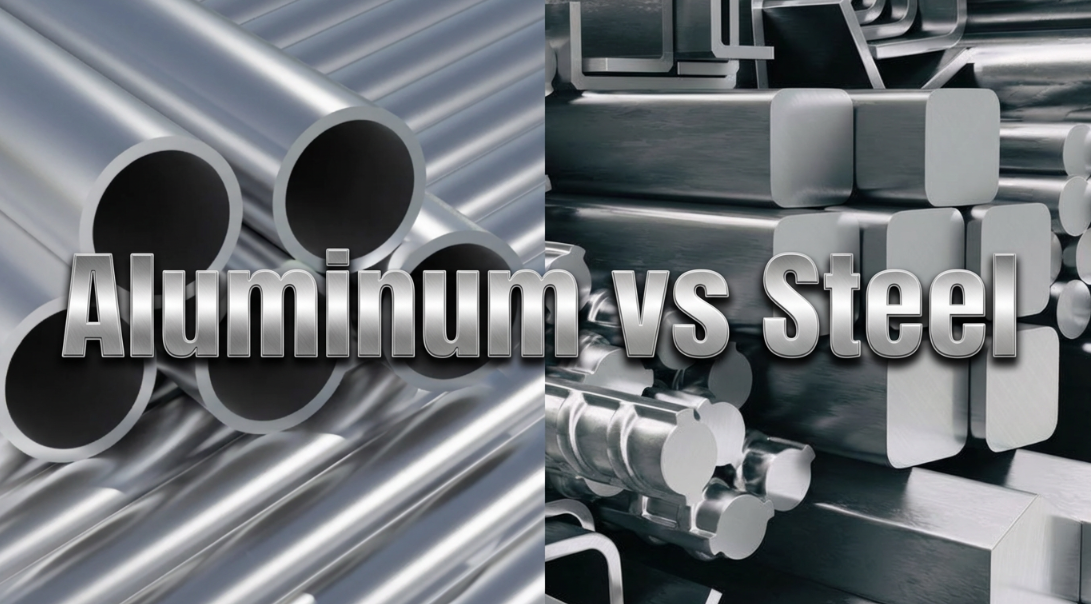
Quick Answer
- Choose aluminum → lightweight, faster machining, lower cost
- Choose steel → higher strength, better durability, wear resistance
For CNC parts, decisions between aluminum and steel machining depend mainly on geometry, strength requirements, and budget.
Key Differences Between Aluminum and Steel
| Property | Aluminum | Steel |
|---|---|---|
| Weight | Very low | High |
| Strength | Medium | High |
| Machinability | Easy | Difficult |
| Corrosion Resistance | Good | Moderate (depends on type) |
| Cost (Machining) | Lower | Higher |
The biggest difference in aluminum vs steel is: weight vs strength + machinability vs durability
Machinability: Is Aluminum Easier to Machine Than Steel?
Yes — aluminum is significantly easier to machine than steel.
Why is aluminum machining easier?
- Lower cutting force
- Higher cutting speeds
- Better heat dissipation (high thermal conductivity)
- Less tool wear
Aluminum vs Steel Machinability Comparison
| Factor | Aluminum | Steel |
|---|---|---|
| Cutting Speed | High | Low |
| Tool Wear | Low | High |
| Heat Generation | Low | High |
| Surface Finish | Excellent | Moderate |
In aluminum vs steel machinability, aluminum can often be machined 2–4x faster than steel.
Engineering Insight
- Aluminum allows high-speed CNC machining with excellent surface finish
- Steel requires slower feeds, more rigid setups, and better tooling
This is why aluminum is preferred for prototype and high-efficiency production.
Cost Comparison: Aluminum vs Steel Machining
Is aluminum cheaper to machine than steel?
In most cases: YES
Aluminum vs Steel Machining Cost Breakdown
Aluminum:
- Faster machining time
- Lower tool wear
- Lower energy consumption
- Lower overall machining cost
Steel:
- Slower cutting speeds
- Higher tool wear
- More setup requirements
- Higher machining cost
Key Cost Drivers
- Material hardness
- Machining time
- Tool life
- Part complexity
In aluminum vs steel machining cost, aluminum is typically the more economical choice for most parts.
Cutting Speed, Tool Wear and Heat Comparison
| Factor | Aluminum | Steel |
|---|---|---|
| Cutting Speed | High RPM, high feed rates | Lower RPM, slower feeds |
| Tool Wear | Minimal | Significant, especially hardened grades |
| Heat & Thermal Conductivity | Dissipates heat quickly | Retains heat, affecting tool life |
Strength vs Weight: Which Matters More?
Aluminum:
- Lightweight (≈ 1/3 of steel)
- Good strength-to-weight ratio
Steel:
- Much higher strength
- Better wear resistance
- Higher durability
In aluminum vs steel strength vs weight:
- Aerospace & electronics → aluminum
- Structural & heavy-duty → steel
When to Choose Aluminum vs Steel
Choose Aluminum If:
- Weight reduction is critical
- You need fast machining and shorter lead times
- Cost is a priority
- Complex parts require high-speed CNC machining
Choose Steel If:
- Strength and durability are critical
- The part must handle high loads or stress
- Wear resistance is required
- Long-term performance matters more than cost
If you’re unsure, the best approach is material selection based on function + manufacturing process.
Applications of Aluminum and Steel
Aluminum Applications:
- Aerospace components
- Electronic housings
- Automotive lightweight parts
- Prototyping
Steel Applications:
- Mechanical parts
- Industrial equipment
- Automotive structural components
- Heavy-duty machinery
Surface Finish Comparison
- Aluminum → smoother finish, easier polishing
- Steel → depends on tooling and cutting conditions
In aluminum vs steel surface finish, aluminum generally delivers better visual quality with less effort.
Common Mistakes in Material Selection
- Choosing steel when aluminum is sufficient → ❌ unnecessary cost
- Choosing aluminum for high-load parts → ❌ performance risk
- Ignoring machining cost differences → ❌ budget overruns
FAQ
- 1. Is aluminum easier to machine than steel?
- Yes — aluminum offers higher cutting speeds, less tool wear, and better efficiency.
- 2. Is aluminum cheaper than steel for CNC machining?
- Yes, due to faster machining and lower tool wear, aluminum is usually cheaper.
- 3. Which is better for CNC machining: aluminum or steel?
- It depends on your needs:
- Cost & speed → aluminum
- Strength & durability → steel
- 4. What affects aluminum vs steel CNC machining performance?
-
- Cutting speed
- Tool wear
- Heat generation
- Material hardness
Not Sure Which Material to Choose?
Send us your CAD file — our engineers will help you select the best material based on:
- Geometry
- Strength requirements
- Cost optimization
Get a free DFM review & CNC machining quote within 24 hours
In CNC machining, aluminum and steel are not competitors — they serve different purposes.
The key is choosing the right material for your design, budget, and performance requirements.
Make the right choice, and you can:
- Reduce cost
- Improve efficiency
- Ensure long-term performance