

Laser cutting has become one of the most transformative technologies in modern manufacturing, redefining how industries approach precision, efficiency, and design flexibility. From intricate decorative patterns to high-performance industrial components, this advanced process uses a concentrated beam of light to deliver clean, accurate cuts across a wide range of materials. Unlike traditional cutting methods that rely on physical contact, laser cutting operates without direct force, significantly reducing material distortion and enabling exceptional detail even on complex geometries. In this guide, we’ll break down how laser cutting works, explore the different types of laser technologies available, and help you understand how to choose the right approach for your specific application.
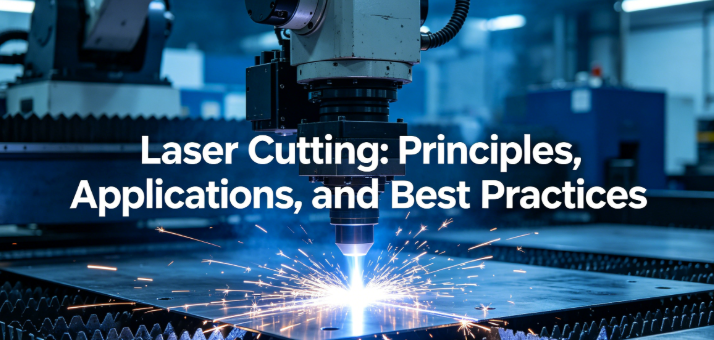
What is Laser Cutting?
Laser cutting is a high-precision, non-contact manufacturing process that uses a focused laser beam to cut or engrave materials. It’s widely used in industries like aerospace, automotive, electronics, and signage.
Key Advantages:
- High precision with tight tolerances
- Minimal material distortion due to non-contact cutting
- Fast cutting speed for both thin and medium-thickness materials
Types of Laser Cutting Technologies
CO₂ Laser Cutting
Best for non-metal materials like wood, acrylic, plastics. Cost-effective for sheet materials up to medium thickness. Can achieve smooth edges for decorative applications.
Fiber Laser Cutting
Optimized for metal cutting including stainless steel, aluminum, and copper. Faster cutting speed and lower maintenance than CO₂ lasers. Excellent for precision parts in industrial and automotive applications.
Other Types
Nd:YAG and Disk Lasers: Used for specialized industrial cutting and micro-machining
Ultrafast / Pulsed Lasers: Ideal for extremely precise cuts with minimal heat-affected zones
Materials Suitable for Laser Cutting
Laser cutting works for a wide range of materials:
| Material | Best Laser Type | Notes |
| Stainless Steel | Fiber | Thickness up to 20mm |
| Aluminum | Fiber | Requires higher power for thick sheets |
| Acrylic & Plastics | CO₂ | Smooth edges, decorative use |
| Wood & MDF | CO₂ | Fire risk mitigation required |
| Copper & Brass | Fiber / High-power | Reflective metals need specialized optics |
Laser Cutting vs. Other Cutting Methods
| Feature | Laser Cutting | Plasma Cutting | Waterjet Cutting |
| Precision | High | Medium | High |
| Heat-affected zone | Minimal | Moderate | None |
| Material Limit | Metals + Non-metals | Metals | Almost all |
| Cutting Speed | Fast (thin sheets) | Fast | Slower |
Tip: For high-precision metal parts, fiber laser cutting is usually the most efficient and cost-effective solution.
Laser Cutting Parameters and Optimization
Power & Speed are adjusted according to material type and thickness. Focus & nozzle distance are the keys to edge quality and kerf width. Assist Gas Selection is oxygen for steel, nitrogen for stainless, and aluminum for clean cuts. Pro Tip is testing small pieces with different settings ensures optimal precision and minimal thermal distortion.
Laser Cutting Applications
- Automotive Components: Brake parts, brackets, panels
- Aerospace Parts: High-precision thin metal components
- Signage & Decorative Items: Acrylic signs, artistic patterns
- Electronics & Micro-machining: PCB, small metallic parts
Safety & Best Practices
Always wear laser safety goggles suitable for the wavelength. Maintain proper ventilation to remove fumes. Ensure regular machine calibration for consistent cutting quality. Use fire-retardant materials and surfaces when cutting wood or plastics.
Laser cutting offers unmatched precision, versatility, and efficiency across multiple industries. Choosing the right laser type, material, and parameters is key to maximizing productivity and minimizing costs.
Related Articles:
 Best CNC Laser Engravers 2025: Top Budget & Industrial Laser Cutting Machines with Buying Guide
 CNC Laser Cutting Tolerance Chart (Metal & Plastic) & Standard
 ABS vs PLA vs PETG vs TPU vs ASA vs PBT vs Nylon Filament, What is the Difference?
 Spring Material Types (Properties, Grades, Uses) & Best Selection for Your Project
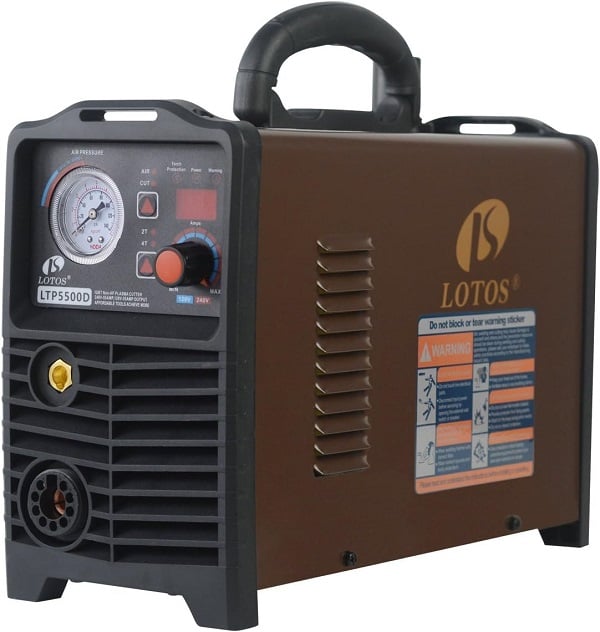 Best Budget Plasma Cutter – Top 10 Cheap Plasma Cutters Under $500/1000
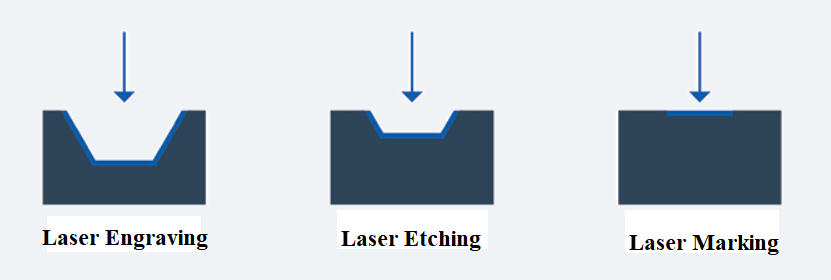 Differences Between Laser Marking, Engraving and Etching